by Jason | Nov 19, 2017 | Big Ideas, Upcoming workshops
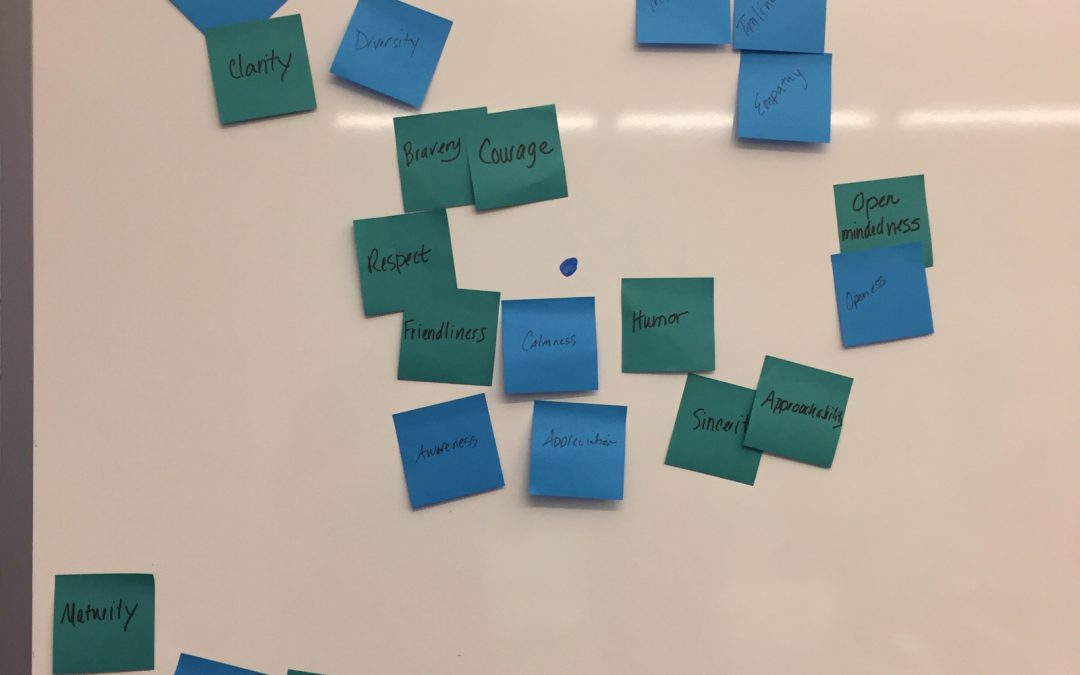
“We want to build a ‘say anything’ culture, how do we do that?” A few years back, Jurgen Appelo and I visited an organization that wanted to figure out how to shift their culture. Jurgen started the day off with an inspirational talk, and I...
by Sue Johnston | Oct 27, 2017 | Big Ideas, Sue's Blog, Upcoming workshops
There’s an old saying, rooted in journalism, that a picture is worth 1,000 words. While we might ask for scientific evidence or challenge the math, most people agree that visuals add enormously to our understanding of things. Humans drew pictures before they...

by Jason | Sep 12, 2017 | Big Ideas
Sometimes change doesn’t happen as quickly as we’d like it to. Whether you’re a change manager, agile coach, or employee tasked with making a change work, you’re most likely needing to influence people around you without having direct control or ownership of the...
by Jason | Jul 24, 2017 | Becoming Agile
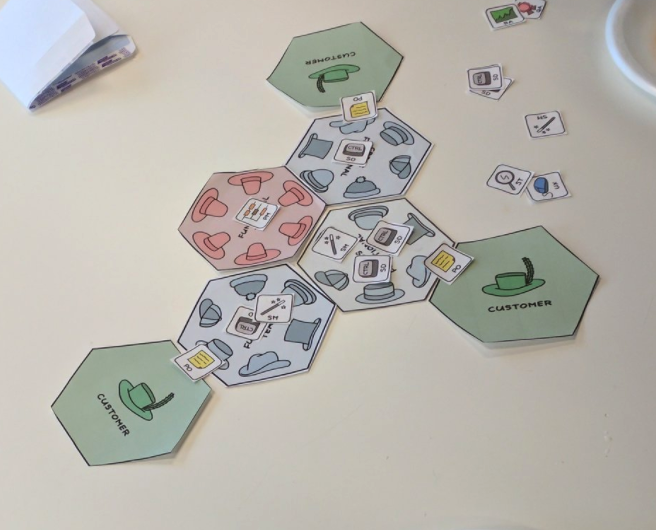
We’ve sifted through a decade of Version One’s State of Agile Development survey in order to create our Decade of Agile report (that you can get for free here), to see how Agile has evolved over the years. It’s no surprise to those who follow the...
by Jason | Nov 29, 2016 | Becoming Agile
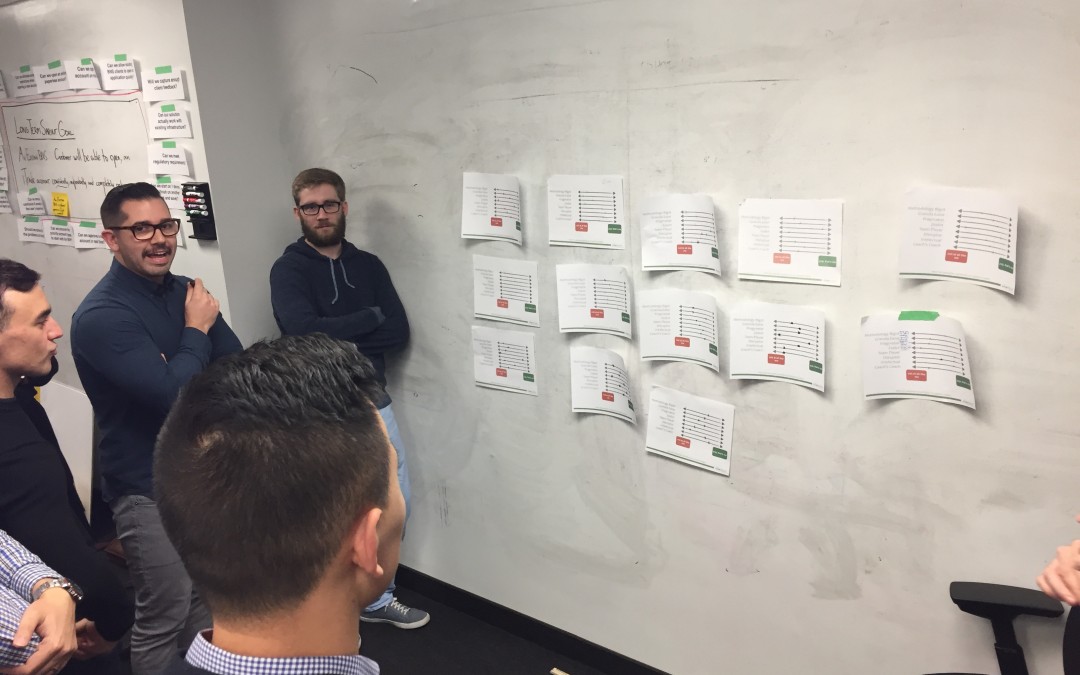
This year at the Toronto Agile Tour I ran a new session about how to hire an Agile Coach. A few months ago I saw an article on Linked In titled something to the effect of “how to pass your Scrum Master/Coach interview”. Thanks to whoever wrote it, because...
by Jason | Apr 24, 2016 | Becoming Agile, Big Ideas
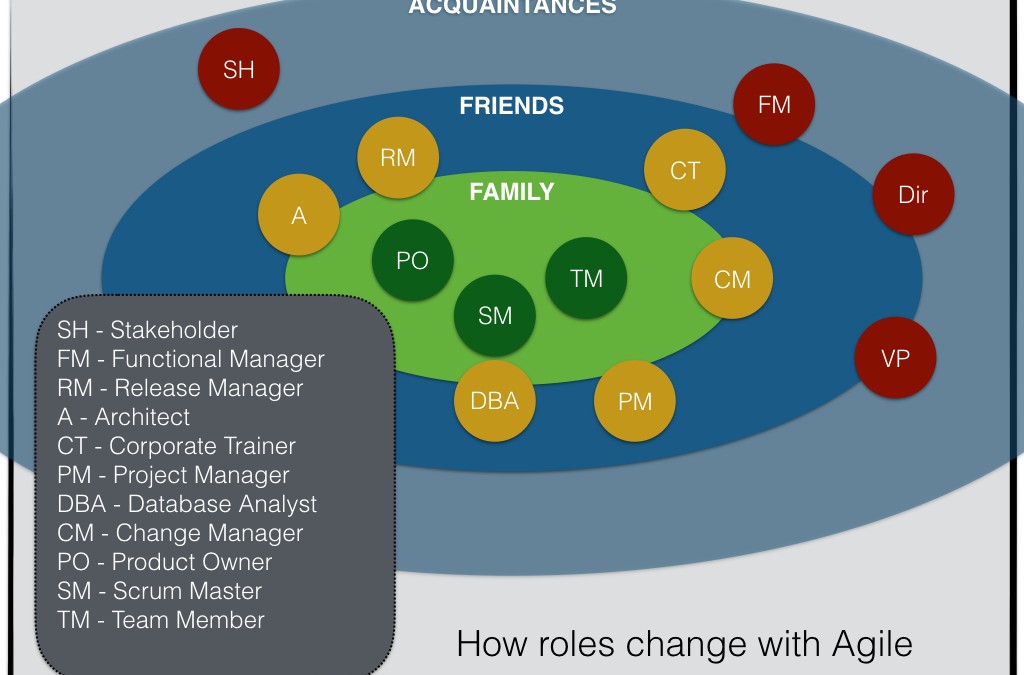
Scrum has 3 roles: Product Owner, Scrum Master, and Team Member. Scrum specifically says the team needs all the necessary skills to do the work, which is why people are referred to as Team Members. What happens in large organizations that have oodles of specialists?...
by Jason | Apr 12, 2016 | Big Ideas, Systems Thinking
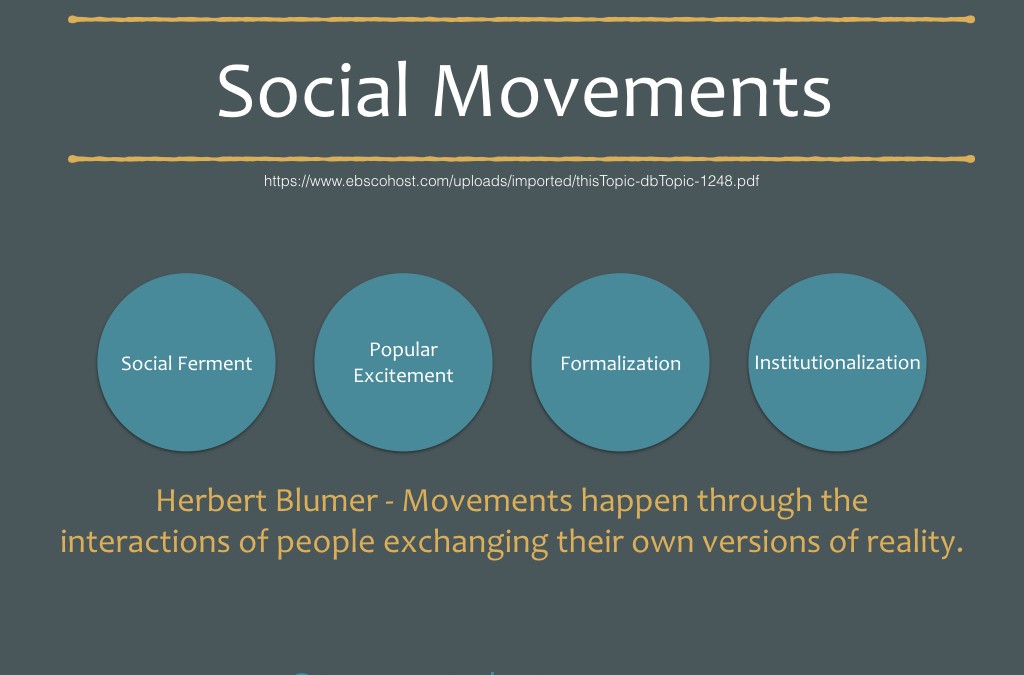
This past weekend was the annual Toronto Agile Open Space hosted by the Toronto Agile Community. If you read about Agile at all, you’ve probably noticed the emphasis on processes and tools…which seems to be at odds with something that I just can’t...
by Jason | Mar 27, 2016 | Big Ideas
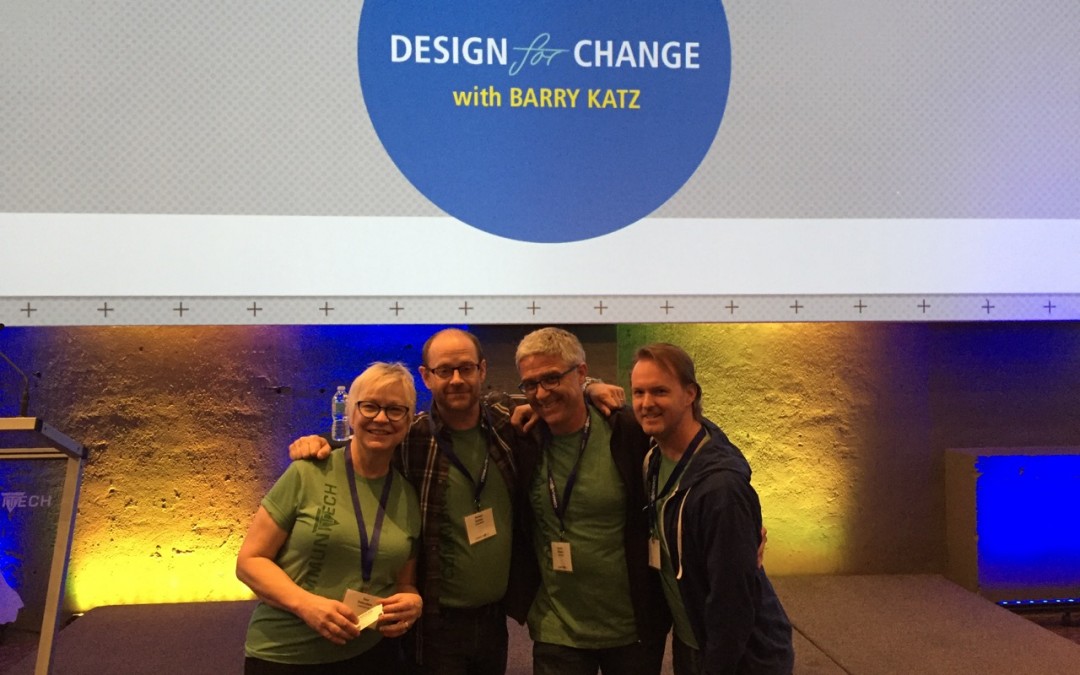
Last week we sponsored Communitech’s Design for Change session, hosted by Barry Katz. Barry opened with a few stories about ‘design’. I put design in quotes because that term can mean a few things. In this context, it doesn’t mean the look of...
by Sue Johnston | Jan 11, 2016 | Becoming Agile, Sue's Blog
Face-to-face communication is the most powerful business tool we will ever have. So why don’t we use it more often? Or more effectively? Or more consciously? For over a decade, I’ve been encouraging people to get out from behind their tools and...
by Jason | Jan 6, 2016 | LEGO® SERIOUS PLAY®
How cool would it be to solve every organizational problem by playing with Lego blocks? Jason Little is one of 70 Lego Serious Play facilitators in Canada who run workshops to explore large organizational problems. Little says problem-solving with bricks helps kinetic...